Global Electronics Manufacturing Without Borders

Why EagleBridge

Modern electronic manufacturing is no longer about finding a factory.

It is about finding the right manufacturing ecosystem.

At EagleBridge Advisory Group, we combine manufacturing capability, engineering support, global sourcing, and strategic supply chain management to help OEMs reduce risk, improve cost efficiency and accelerate product delivery.

Whether you are developing a new electronic product, searching for a qualified manufacturing partner, optimizing your BOM, or expanding your global supply chain, EagleBridge provides a structured manufacturing ecosystem designed for long-term success.

PCB Manufacturing

High-quality PCB production from prototype to high-volume manufacturing.

Learn More

PCBA Assembly

Complete SMT and THT assembly with full production traceability.

Learn More

Electronic Components

Trusted global sourcing through qualified supply partners.

Learn More

Engineering Support

DFM review
BOM optimization
Reverse engineering
Prototype support

Learn More

Supply Chain Solutions

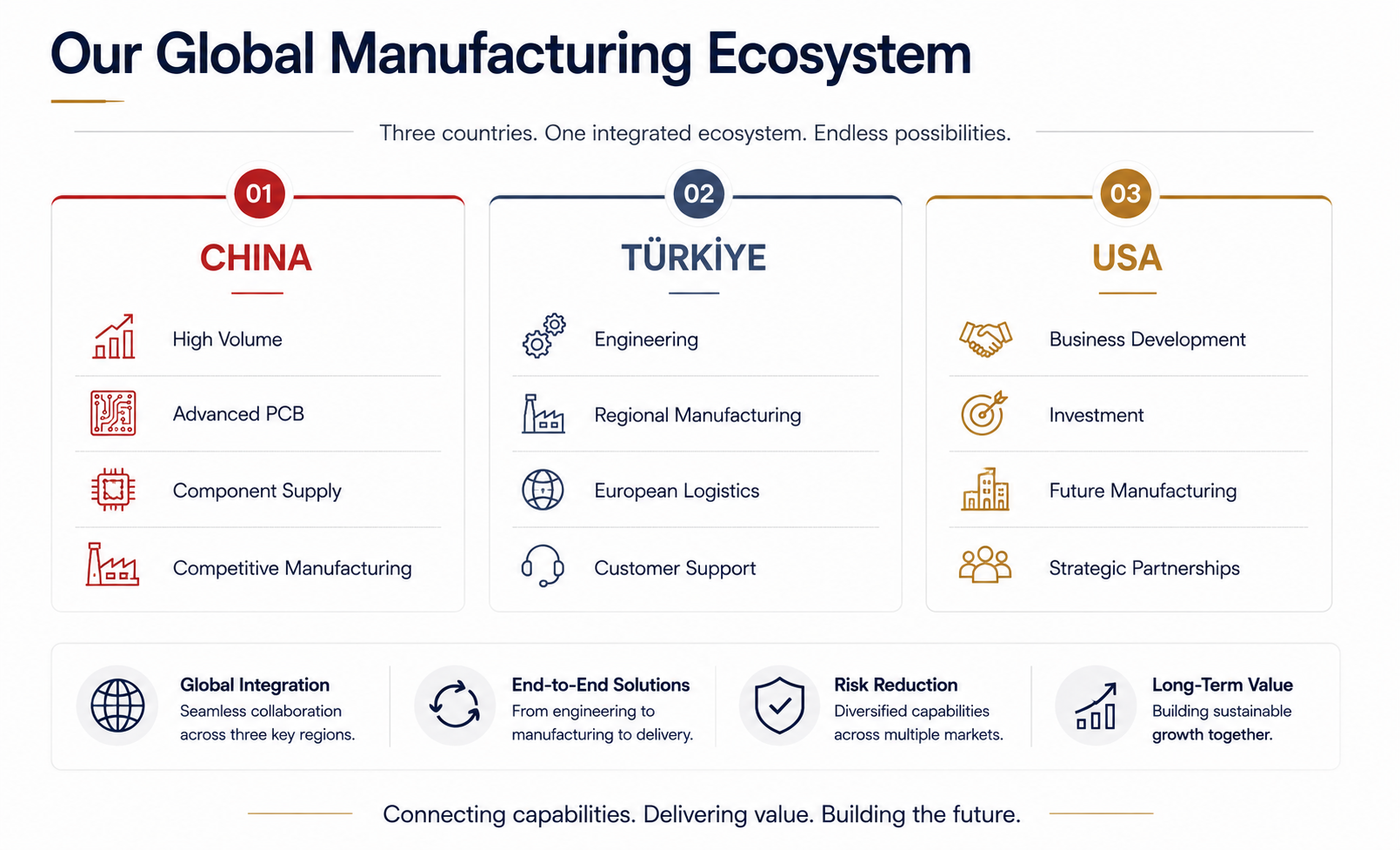
China, Türkiye and USA working together as one manufacturing platform.

Learn More

Quality & Testing

Manufacturing supported by international quality standards and inspection processes.
Learn More
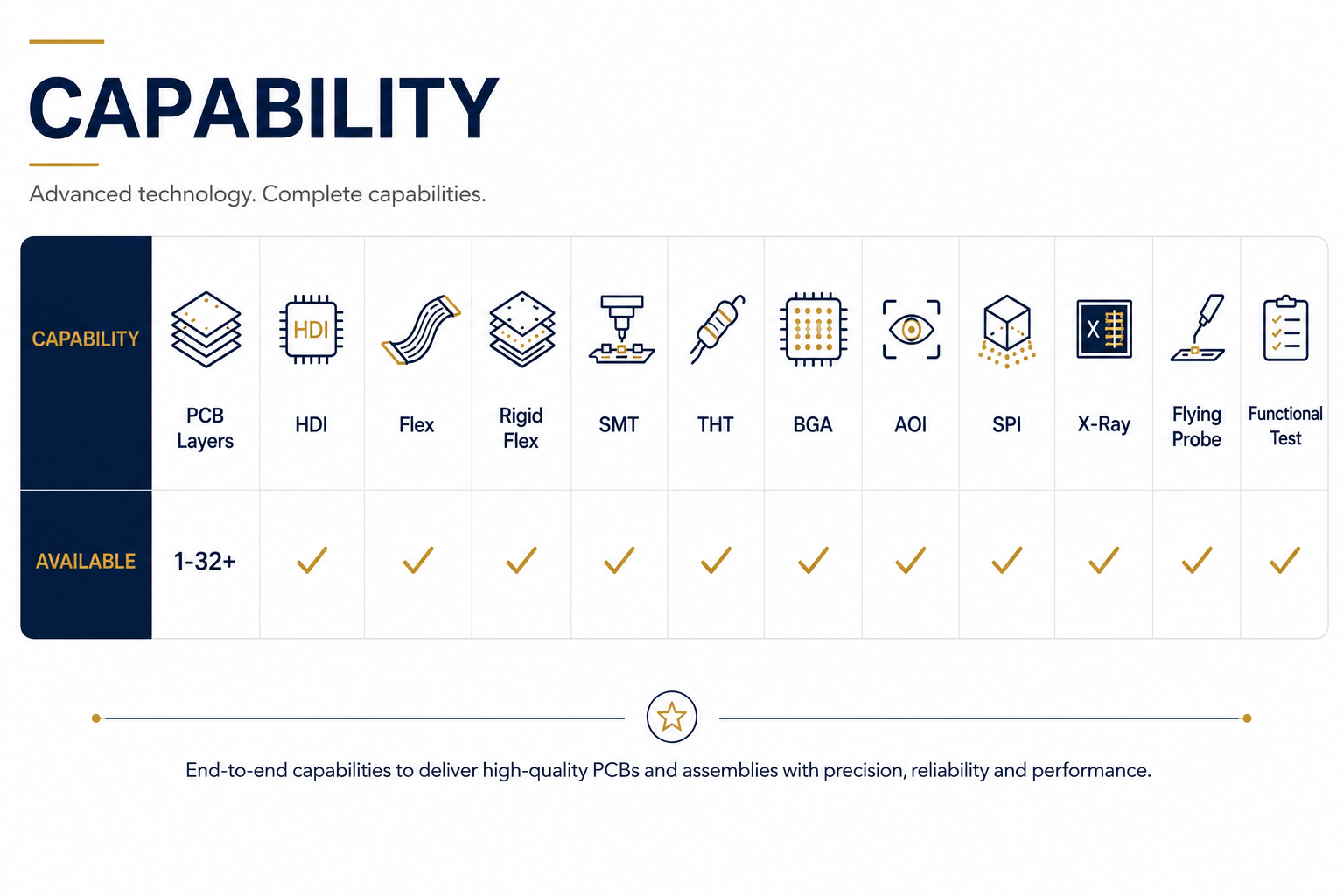
chatgpt image aug 6, 2026, 09 47 22 am

chatgpt image aug 6, 2026, 09 56 00 am

Quality Assurance & Manufacturing Reliability

Our manufacturing partners operate in accordance with internationally recognized IPC standards to support consistent quality, reliability, and process control across PCB and PCBA production.

Capabilities may include support for requirements aligned with:

  • IPC-A-600 – Printed Circuit Board Acceptability
  • IPC-A-610 – Electronic Assembly Acceptability
  • IPC-6012 – Qualification and Performance Specification for Rigid PCBs
  • IPC J-STD-001 – Requirements for Soldered Electrical and Electronic Assemblies

The applicable IPC requirements are determined based on customer specifications, product complexity, and end-use application.

Quality inspection begins long before the final product leaves the production line.

Advanced inspection technologies help detect manufacturing deviations at the earliest possible stage, improving product reliability while reducing production risks.

Inspection capabilities may include:

  • Automated Optical Inspection (AOI)
  • Solder Paste Inspection (SPI)
  • X-Ray Inspection for hidden solder joints
  • First Article Inspection (FAI)
  • Process verification throughout production

These inspection methods support consistent manufacturing quality from prototype through volume production.

Traceability plays a critical role in quality assurance and long-term product reliability.

Manufacturing documentation can include:

  • Material lot traceability
  • Component identification records
  • Production batch tracking
  • Manufacturing history records
  • Inspection and testing documentation
  • Change management records

This structured documentation supports quality investigations, regulatory requirements, and long-term supply chain transparency.

Electronic component authenticity is a critical element of supply chain integrity.

We support responsible sourcing practices through qualified manufacturing and supply chain partners that emphasize:

  • Approved supplier sourcing
  • Component verification procedures
  • Visual and documentation inspection
  • Traceable procurement records
  • Risk-based supplier qualification
  • Lifecycle and obsolescence monitoring

Where required, additional inspection and verification processes may be implemented based on customer requirements and product criticality. (AS 6081)

Comprehensive documentation supports every stage of the manufacturing process.

Available documentation may include:

  • Certificate of Conformance (CoC)
  • Material Certifications
  • Inspection Reports
  • Test Reports
  • Manufacturing Records
  • Process Documentation
  • Packing Lists
  • Customer-Specific Quality Documents

Documentation requirements are defined according to project specifications and customer expectations.

Quality verification is supported through inspection and testing activities appropriate to each project.

Available verification methods may include:

  • Electrical Testing
  • Flying Probe Testing
  • Functional Testing
  • X-Ray Inspection
  • AOI Verification
  • Dimensional Inspection
  • Sample Validation
  • Customer-Specific Test Procedures

Inspection reports provide objective evidence that manufacturing requirements have been completed according to the agreed project scope.

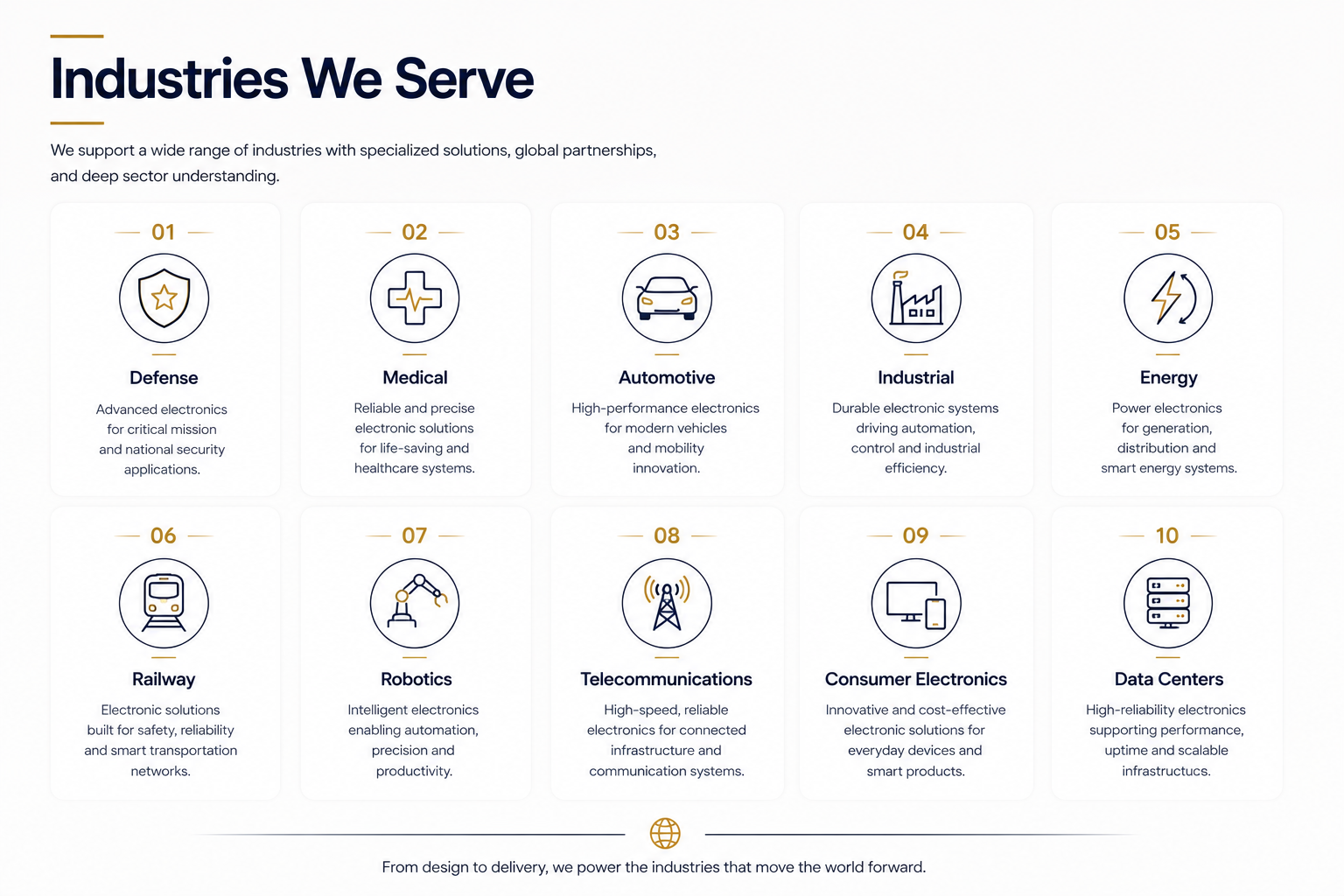
chatgpt image aug 6, 2026, 09 52 10 am

Let’s Build Your Next Electronics Project Together